
Educopia Releases First in Series of Community Cultivation Resources

Just in time for Spring, Educopia is releasing its first Community Cultivation guide! Vision in Formation: Articulating Your Community’s Purpose is the first guide in our long-planned library of entirely open tools, templates, and guidance documentation to help communities navigate common challenges experienced across lifecycle stages and growth areas. As a new community forms, its initial […]
NGLP Releases “Library Publishing Infrastructure: Assembling New Solutions”

A core principle guiding the Next Generation Library Publishing (NGLP) project is transparency. In alignment with that principle, we are openly sharing all of our findings from more than a year’s worth of deep community engagement research. Our newest publication, Library Publishing Infrastructure: Assembling New Solutions, documents the design, methods, results, and recommendations of the NGLP team’s 2019-2021 study of […]
Making Community Spaces Safer: On Being “Transformational”
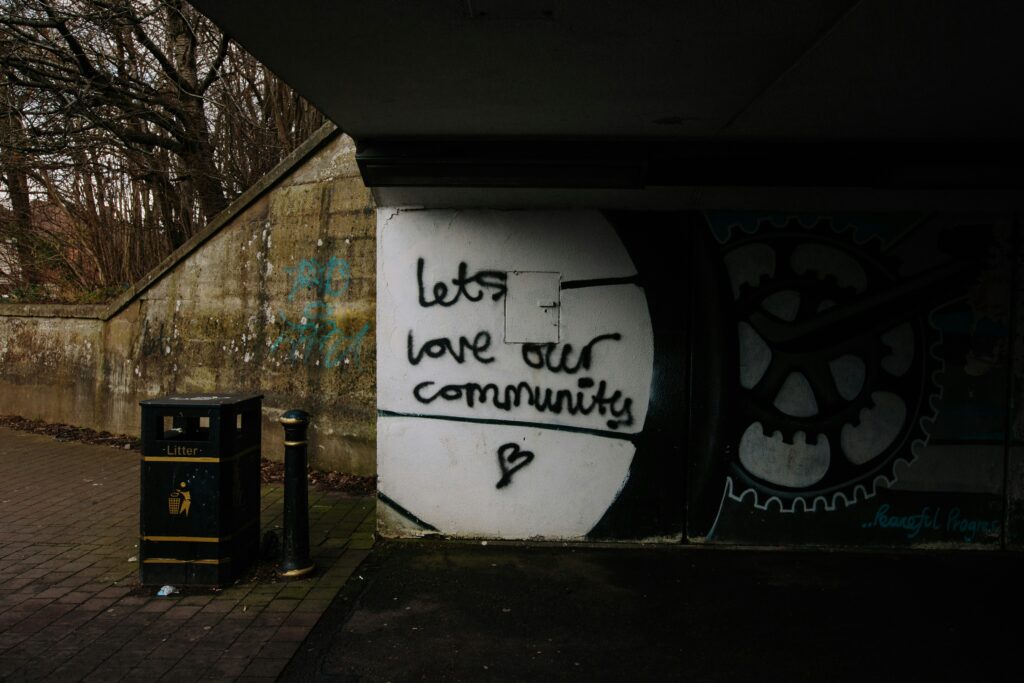
Over the course of 2020-2021, members of the Educopia staff will be contributing blog posts to the “Making Community Spaces Safer” series. Each post will explore one of our organizational values and describe our efforts to live into that value, including our successes, our failures, and the hard-won lessons that occur in between. In a previous post, I […]
Making Community Spaces Safer: On Being “Caring”
Over the course of 2020-2021, members of the Educopia staff will be contributing blog posts to the “Making Community Spaces Safer” series. Each post will explore one of our organizational values and describe our efforts to live into that value, including our successes, our failures, and the hard-won lessons that occur in between. I’ll admit, when I […]
Achieving Sovereignty for Data Curation and Preservation

Forging into 2021 marks an official full decade of work for me in the field of digital preservation, first with LOCKSS and Educopia (2010-2015), then with Grand Valley State University Libraries (2015-2019), and then back with Educopia and its MetaArchive and BitCurator communities (2019-2021). My how time flies! Reaching a decade milestone provides one with […]
NGLP Releases “Scholarly Communication Technology Catalogue (SComCat)”
Have you ever needed to find a quick, concise description of an open source scholarly communication tool or service? Have you wished you had a way to compare and contrast scholarly communication tools and services based on features like their organization model, standards adoption, or dependencies? Welcome to our vision for the Scholarly Communication Technology Catalogue […]
Making Community Spaces Safer: A Tool to Help Community Leaders Accept and Act on Values-Related Feedback
Over the course of 2020-2021, members of the Educopia staff will be contributing blog posts to the “Making Community Spaces Safer” series. Each post will explore one of our organizational values and describe our efforts to live into that value, including our successes, our failures, and the hard-won lessons that occur in between. In August of 2019, […]
NGLP Technical Development Directions and Request for Participation
Following more than a year of research and engagement with library publishers, the Next Gen Library Publishing (NGLP) project is pleased to announce its technical development directions. We are now commissioning the build of two components: a cross-content web delivery/discovery platform and a cross-platform administrative dashboard for journal publishing. These elements will be designed to help bridge […]
Next Generation Library Publishing Releases “Living Our Values and Principles: Exploring Assessment Strategies for the Scholarly Communication Field”
The Next Generation Library Publishing project team is excited to announce the publication of a report, Living Our Values and Principles: Exploring Assessment Strategies for the Scholarly Communication Field by Katherine Skinner and Sarah Wipperman. This report explores “values and principles” statements, documents, proclamations, and manifestos that have been produced by scholarly communication stakeholders over the last 25 years. […]